Detached-Attachment
100%
Cognitive
93%
Vidya (Knowledge & Understanding)
💧 Raindrop
•
100%
Time Orientation
Present
•
100%
Niyyat (Intention)
Individual
•
100%
Classification Confidence:
100%
Essay
|
2026-07-28 00:26:18
Essay | Andy Warhol's productivity
Jacqueline Kennedy II (from the portfolio 'Eleven Pop Artists', vol. II)
Andy Warhol
Photography by Antonia Reeve. © The Andy Warhol Foundation for the Visual Arts, Inc. Licensed by DACS, London 2023
Throughout his life and career critics and commentators often referred to Andy Warhol (1928-1987) as ‘detached’, ‘alien’ and ‘aloof’. [1] He is not, in such assessments, an artist in possession of feelings which need to be expressed, but rather an inhuman, relentless producer of art. The humanistic subjectivity of the creative and tortured artist, commonly associated with painters aligned with Abstract Expressionism—the art movement which directly preceded Pop—was replaced in the 1960s by Warhol’s vision of a cold, mechanical art which relied less on the gestural mark-making of the artist’s hand and more on the logical precision of machines and technologies of reproduction. For many, this suggestion of the inhuman capacity of Warhol’s art to create likeness, and repetitively mimic or copy source material can be neatly summarised by the artist’s own contention that he wanted to be like a machine.
Andy Warhol Self-Portrait 1978 © The Andy Warhol Foundation for the Visual Arts, Inc. Licensed by DACS, London 2023
In a now infamous 1963 interview with the art critic Gene Swenson, Warhol claimed that ‘everybody should be like a machine’ and ‘everybody should like everybody’, because that, after all is ‘what Pop Art is all about’.[2] Such proclamations chime with other statements made by Warhol in interviews around this time, wherein he insists that he is ‘for mechanical art’.[3] Warhol’s desire to align his working processes with the machinic is reflected in his investment in technologies of image production which minimise the necessity of human intervention, such as the automatic process of screen-printing, which could be used to create multiple paintings and prints, one after another; and the still and cinematic film camera which had only to be loaded with film and switched on by Warhol to begin the recording process. This preference for automation and machine-production reaches its peak in the Warhol literature with an “interview” of Warhol conducted by his studio assistant Gerard Malanga. The interview in question was composed entirely (i.e. both the questions and their answers) by Malanga and submitted to Warhol for his approval before publication. In the piece “Warhol” gives his full-throated support to the idea of automation in the economy and the art world. His potent reflections are underlined further by the meta-authorial game of having Malanga research and write the interview himself:
Q. Would you like to replace human effort?
A. Yes.
Q. Why?
A. Because human effort is too hard.
[…]
Q. How will you meet the challenge of automation?
A. By becoming part of it.
[...]
Q. Dissect the meaning of automation.
A. Automation is a way of making things easy. Automation just gives you something to do […][4]
In this short essay I am going to explore some of the ramifications of considering Warhol as a machine. Firstly, I will consider the notion of productivity across Warhol’s artistic output, both in terms of the quantity of works produced, as well as some of the ways in which his art deals with concepts of duration and diversity in art practice. Secondly, I will argue that we can read the product of Warhol’s productivity as an attempt to dissolve boundaries between different artistic media.
Numbers game
Not unlike that of a factory working at capacity, the sheer scale of Warhol’s artistic output fuels the accuracy of the machine metaphor—the artist as an efficient and methodical producer. Working with a raft of assistants throughout his career, Warhol created a staggering number of artistic products. During 1964, for instance, he produced over 305 paintings of Jackie Kennedy alone. Other marquee subjects for Warhol, which he would return to paint over and over during that pivotal decade, yielded similarly large figures, most notably his Flower and Electric Chair series. Part of the reason Warhol was able to make work in such quantity was because of the speed with which his silkscreen paintings were able to be executed, as he commented in his memoir of the 1960s:
[…] with silk-screening, you pick up a photograph, blow it up, transfer it in glue onto silk, and then roll ink across it so the ink goes through the silk but not through the glue. That way you get the same image, slightly different each time. It was so simple—quick and chancy. I was thrilled with it.[5]
Andy Warhol
After turning his attention more fully to filmmaking after 1964, Warhol founded a company with David Whitney called Factory Additions which would create print portfolios using the same silkscreen method he had employed so successfully on his canvas-based works. Reflecting on these works, Warhol is direct in his comparison to industrial/machinic production, noting that the resulting paintings and prints possessed an ‘assembly-line effect’[6]. The print portfolios allowed Warhol to disseminate even greater quantities of work: 600 variations of three different Jackie Kennedy prints, one of which, Jaqueline Kennedy II (from the portfolio ‘Eleven Pop Artists, vol. II), 1965 [GMA 1336], is included in the present Scottish National Gallery of Modern Art (NGS) exhibition ‘Warhol and Paolozzi I want to be a Machine’; 500 prints modelled after Birmingham Race Riot (1964); 632 variations of Sunset (1972); 250 editions of a 10-print Marilyn Monroe portfolio from 1967, or 2,500 multi-coloured Marilyns.
Andy Warhol Jacqueline Kennedy II (from the portfolio 'Eleven Pop Artists', vol. II) 1965 © The Andy Warhol Foundation for the Visual Arts, Inc. Licensed by DACS, London 2023
Andy Warhol, Marilyn, © 2018 The Andy Warhol Foundation for the Visual Arts, Inc. / Licensed by DACS, London.
Concurrent to the creation of the Marilyn portfolio, which has a central placement in the current hang at the NGS, Warhol was embroiled deeply in another voluminous activity: filmmaking. From 1963 until 1968 Warhol produced over 600 films, including some 472 Screen Tests (1964-1966) and around 60 feature-length works.[7] Perhaps even more noteworthy than the number of films produced by the Warhol Factory is their recourse to marathon running times. His first film Sleep (1963), a collage of repeated shots of the poet John Girono (b. 1936) sleeping, lasts for five hours and twenty minutes. One of Warhol’s final directorial efforts **** (Four Stars) clocks in at a much more substantial twenty-five hours.
Quantity and duration coalesce in another of Warhol’s multimedia activities, his constant recording of everyday meetings and conversations via a handheld tape recorder. Referred to by the artist himself as his ‘wife’, the Norelco Carry-Corder Warhol carried with him from 1964 onwards was the first mass-marketed example of such a device.[8] The Warhol Archive now houses hundreds of tapes made by Warhol throughout his life, containing over 6,000 hours of audio. Warhol would often use the recordings on these tapes as the basis for many of his published book works, many of which can be seen in vitrines in the NGS show, from memoirs such as POPism: The Warhol Sixties (1980) and The Philosophy of Andy Warhol (From A to B and Back Again), to his experimental riff on the modernist novel: a, A Novel (1968), which chronicles a day in the life of the Factory Superstar Pope Ondine (1937-1989).
Warhol’s productivity did not dissipate during the 1970s. Between 1976 and his death in 1987 Warhol began to carry with him the visual equivalent of his tape recorder “wife”, a Minox 35 EL camera. Often exposing up to a roll of film a day or more, the resulting contact sheets—a relative anachronism in the age of digital photography, a contact sheet is an inexpensive way of viewing the content of a roll of film before certain images can be selected for later enlargement and printing—number over 3,600, or 130,000 individual photographs. A visual equivalent to Warhol’s meticulous Diaries (1989), the contact sheets contain a dizzying array of disparate events, people and activities Warhol encountered in the last decade of his life, often mixing the cultural events of New York high society with portraiture, snapshots of friends and associates, as well as cityscapes depicting Manhattan street signs and advertisement hoardings.
Collapsing Distinctions
Another way of viewing Warhol’s machine-aesthetic is to make use of it as a metaphor in accounting for his restless and prolific output as a multimedia artist. Our next avenue of interpretation pushes this idea further, arguing that Warhol’s fascination with volume, quantity and duration contributes to one of the central achievements of his oeuvre: the collapsing of distinctions between different artistic media.
Take for instance the silk-screened canvases and prints mentioned above. To create these works Warhol would start with a photographic image – either found and appropriated from a print publication or taken by himself – and blow up this image before transferring it via the screen-print or silkscreen process to a surface.
Such an a mixture of media and materials has led the writer Jonathan Flatley to comment on the silk-screened paintings: ‘[i]n terms of the standards of the given media, the result is neither a good photograph or a good painting’. Flatley does not yoke this perceived failure of competency and execution to a narrative of Warhol as somehow playing at being an amateur, or revelling in his – as is often the cliché – role of performing naivety. Instead, he points us towards reading these works, which seem to be not quite painting and not quite photography, as opportunities to exercise ‘our capacity for perceiving similarities across difference’, through Warhol’s ‘transposition of idioms, sensations and information from one medium to another’.[9]
In other words, we are confronted in Warhol’s silkscreen paintings and his prints with a vision of art in which the once stable categories of photography, painting and printing are no longer separated but have coalesced and become enmeshed together in a web of artistic mediation.
Warhol often commented on this dimension of intermediality—artworks which combine and juxtapose the aesthetic effects of different media—in his work. Another illuminating test case would be his Screen Tests. Warhol famously referred to these works not as movies but ‘Stillies’.[10] Each one of these three-minute films (running over four minutes when projected at Warhol’s preferred speed rate of eighteen frames per second) depicted a single sitter whose visage was recorded by the impervious, unblinking gaze of Warhol’s 16mm film camera. Subjects were often instructed by Warhol to move as little as possible, resulting in a stasis which often gifts the films an aesthetic equivalence of still photography or portrait painting.
In an interview with Letitia Kent published in Vouge magazine in March 1970, Warhol coaxed out the intermedial tension so important to his moving image works: ‘[…] I don’t paint anymore. I gave it up two years ago. I think painting is old fashioned. In my early films I wanted to “paint” in a new medium’.[11] He goes on shortly after to state that his perhaps most notorious film, Empire (1963), could be compared to a ‘moving picture still-life’.[12] But the Screen Tests remain most emblematic of the intermedial condition of Warhol’s cinematic output, opening the medium to be considered as an incubation chamber for all manner of artistic strategies, as Callie Angel astutely attests:
"Balanced at the borderline between moving and still image, part photography and part film, part portraiture and part performance, the Screen Tests are conceptual hybrids, arising, like much of Warhol’s work, from the formal transposition of idioms from one medium to another."[13]
Callie Angel
The example of Warhol’s prodigious use of tape recordings, and their transcription from a raw unmediated state into works of fiction, semi-fiction and memoir, point us again to another area of Warhol’s modus operandi, and an aspect of his artistic practice which marks him out a pioneer of the kind of self-surveillance which has become so commonplace in the social media-saturated landscape of the early twenty-first century.
Andy Warhol, Body Builder Flexing, ARTIST ROOMS National Galleries of Scotland and Tate. Presented by The Andy Warhol Foundation for the Visual Arts 2016. © The Andy Warhol Foundation for the Visual Arts / Artists Rights Society (ARS), New York / DACS, London 2017.
Andy Warhol, Jean-Michel Basquiat, ARTIST ROOMS National Galleries of Scotland and Tate. Presented by The Andy Warhol Foundation for the Visual Arts 2016. © The Andy Warhol Foundation for the Visual Arts / Artists Rights Society (ARS), New York / DACS, London 2017.
In closing, I would like to draw attention to some of the final works conceptualised and completed by Warhol before his death in 1987. The so-called ‘Stitched Photographs’, several of which are included in the NGS exhibition, were created between 1982 and 1987 by stitching together multiple copies of individual photographs taken with his Minox 35 EL Camera.
Although considered minor works by many Warhol scholars, the ‘Stitched Photographs’ evidence a continued obsession of Warhol’s to break down barriers between artistic media.
The photographs were stitched together with the aid of his studio assistant Christopher Makos (b. 1948) and Makos’ friend Michele Loud, using a Bernina sewing machine which Warhol had purchased in 1982.
Arranged in a grid structure of four, six or nine, the stitched photographs recall the repetitive, serially structured screenprints of the 1960s. Much like the ‘quick and chancy’ nature Warhol so admired in the screen-printing process, the stitched photographs also bear the markings of imperfection, as often the individual photographs bear evidence of having been pushed through the sewing machines: their smooth surfaces are variously ruptured by bumps and creases. These marks, lumps and bumps co-mingle with deliberately left-behind lengths of the thread which were used to suture the photographs together. These seemingly uncareful and unfinished aspects of the pictures lend the pieces a sculptural quality, and continue a tradition of creating three-dimensional objects which never ceased to interest Warhol over his career.
Over 500 stitched photographs were created by Warhol in the final years of his life. Another round of productivity, and another multi-faceted and multi-media machination in which the product was not a pre-fabricated, mass-produced identical work of art, but a subjectively imbued experiment born out of the mixing of media and the engendering of a cross-model exploration of what art can be.
This film takes a look at Andy Warhol, the most famous proponent of Pop Art, his obsession with fame, and his desire ‘to be a machine’.
[1] See for instance: John Wilcock, ‘The Detached Cool of Andy Warhol’, Village Voice, May 6, 1965, p.11; Stephen Smith, ‘“He loved Weightlifting and Buying Jewels”’: Andy Warhol’s Friends Reveal All’, The Guardian, August 14, 2015 (available online: https://www.theguardian.com/artanddesign/2015/aug/14/andy-warhol-friends-reveal-all) and George Gruskin, ‘Who is this man Andy Warhol?’, SCOPE, March 16, 1973, reprinted in Kenneth Goldsmith (ed.), I’ll Be Your Mirror: The Selected Andy Warhol Interviews, Carroll and Graf, New York, p. 200-220, quote on 217.
[2] Gene Swenson, ‘What is Pop? Answers from 8 Painters, Part 1’, ARTnews, November 1963, reprinted in Goldsmith, I’ll be Your Mirror, p. 15-20, quote on 16. The recent uncovering of the original tapes of Swenson’s interview with Warhol reveal that several parts of their conversation were heavily edited before going to press, particularly references to queer sexuality. In the tapes, Warhol’s insistence that being a machine and liking everything are inherently linked during a conversation about homosexuality:
Swenson: I don’t understand the business about – if all Pop artists are not homosexual, then what does this have to do with being a machine?
Warhol: Well, I think everybody should like everybody.
Swenson: You mean you should like both men and women?
Warhol: Yeah.
Swenson: Yeah? Sexually and in every other way?
Warhol: Yeah.
Swenson: And that’s what Pop art’s about?
Warhol: Yeah, it’s liking things.
Swenson: And liking things is being like a machine?
Warhol: Yeah. Well, because you do the same thing every time. You do the same thing over and over again. And you do the same. . .
Swenson: You mean sex?
Warhol: Yeah, and everything you do […]
Quoted in Jenifer Sichel‘“What is Pop Art?” A Revised Transcript of Gene Swenson’s 1963 interview with Andy Warhol’, Oxford Art Journal, 41:1 (March), 2018, p. 85-100.
[3] David Bourdon, ‘Warhol Interviews Bourdon’, 1962-1963, in Goldsmith, I’ll be Your Mirror p.6-14, quote on 9.
[4] Gerard Malanga, ‘Andy Warhol on Automation: An Interview with Gerard Malanga’, Chelsea 18, reprinted in Goldsmith, I’ll be Your Mirror, p. 59-63, quote on 60-62.
[5] Andy Warhol and Pat Hackett, POPism: The Warhol Sixties, Hutchinson, London, 1980, p. 22.
[6] Ibid.
[7] I use slightly speculative language here to indicate that Warhol’s filmography remains a very slippery subject for scholars. At present there is a seminal and exhaustive catalogue raisonné detailing the production and content of the Screen Tests (Callie Angel, Andy Warhol Screen Tests: The Films of Andy Warhol Catalogue Raisonne Volume 1, Abrams, New York, 2006). A second volume, covering the rest of his filmic output is forthcoming. A more recent and essential resource based on in-depth research in the Warhol archives is the introduction to Glyn Davis and Gary Needham’s Warhol in Ten Takes, British Film Institute, London, 2013).
[8] Andy Warhol, The Philosophy of Andy Warhol (From A to B and Back Again), Harcourt, Orlando, Austin, New York et al, 1975, p. 190.
[9] Jonathan Flatley, Like Andy Warhol, University of Chicago Press, Chicago and London, 2017, p. 113.
[10] Angel, Andy Warhol Screen Tests, p. 7.
[11] Letitia Kent, ‘Andy Warhol, Movieman: “It’s Hard to Be Your Own Script”’, Vogue, March 1, 1970, reprinted in Goldsmith, I’ll be Your Mirror, p. 185-190, quote on 186.
[12] Ibid. The scholar Justin Remes has gone even further with reference to Empire’s epic running time and profound stasis, theorising this work as a ‘furniture film’—a film which lives in a room for an extended period of time and is designed to be consumed partially and distractedly in conjunction with other activities. See Justin Remes, Motion(less) Pictures: The Cinema of Stasis, Columbia University Press, New York and Chichester, 2015, p. 31-59.
[13] Angel, Andy Warhol Screen Tests, p. 14
Attachment
100%
Cognitive
100%
Vidya (Knowledge & Understanding)
💧 Raindrop
•
100%
Time Orientation
Present
•
100%
Niyyat (Intention)
Individual
•
100%
Classification Confidence:
100%
General
|
2026-07-04 09:57:55
TERRY GROSS, host:
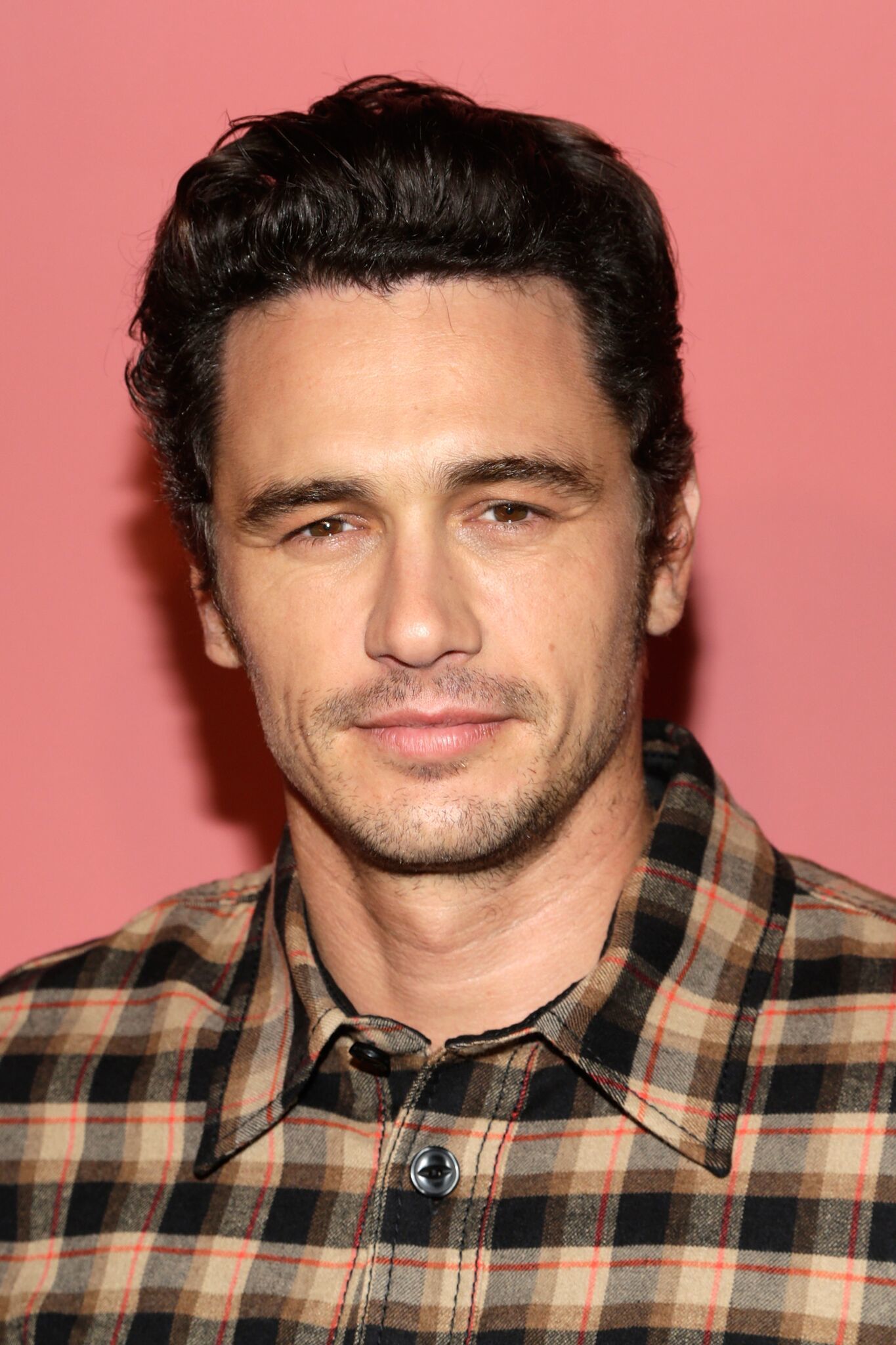
This is Fresh Air. I'm Terry Gross. My guest, James Franco, stars with Sean Penn in the new movie "Milk." Penn plays Harvey Milk, who became the first gay man elected to public office in the U.S. when he won a seat on San Francisco's Board of Supervisors in 1977. Before completing his first year in office, he was assassinated by fellow supervisor Dan White.
James Franco plays Milk's lover, Scott Smith. Together, they moved to San Francisco, set up a camera shop in the Castro, and helped transform the neighborhood into the gay capital of the city. Franco co-starred in the short lived but terrific TV series "Freaks and Geeks." After playing the rebellious high-school heartthrob in that series, he played the ultimate rebellious heartthrob, James Dean, in a telemovie about the iconic actor. In "Spiderman," Franco played Peter Parker's best friend and the son of Spiderman's enemy, Green Goblin. Franco starred with Seth Rogen in last summer's comedy "Pineapple Express," a stoner film meets action film. In a cameo in the film "Knocked Up," and a series for the website Funny or Die, Franco has mocked his own image. We started our interview talking about "Milk."
James Franco, welcome to Fresh Air. The characters in the movie, for the most part, are real people that existed. And for some of the characters, like Harvey Milk, there's a lot of archival footage and documentation so that Sean Penn could base his performance on that. But as far as I know, the person you play, Scott Smith, wasn't nearly as well documented. I mean, the screenwriter of the movie said that there was very little in terms of film footage and things like that for you to base your performance on. So, what did you do to create the character? Did you talk with people who knew him?
Mr. JAMES FRANCO (Actor): Yeah. When I heard that Gus was doing the movie, I didn't really know anything about Harvey Milk, which I found shocking and sad because I grew up in the Bay Area, in Palo Alto, 45 minutes away from San Francisco. And I heard Gus was doing the movie, and I started doing some research and found out what, you know, an important story this was.
And as far as, like, the research, you know, there's some great sources on Harvey Milk in the time, Randy Shilts' book "The Mayor of Castro Street" and the Oscar-winning documentary "The Times of Harvey Milk." And like you said, Scott isn't - doesn't play a huge part in either of those. In the documentary, you know, he shows up for about five seconds. I think Harvey and Scott are at the Gay Pride Parade, and they kiss, and that's it. So, I, you know, I couldn't build a character on that either.
And so, it was really a matter of just talking to a lot of people that had worked with Harvey and Scott and were friends with Scott. And I went to Rob Epstein, the director of "The Times of Harvey Milk," and I asked him if he had any extra footage that didn't make it into his documentary. And so, he had a pre-interview with Scott Smith from 30, like, 28 years ago on a film reel, and he found that in some old vault for me and transferred it to DVD. And so, I could finally really hear what Scott sounded like and, you know, see how he moved and everything. So, I had the - and then, I had the outside and the inside.
GROSS: Are we past the point where I have to ask if it's risky to play a gay character and if that could adversely affect your career?
Mr. FRANCO: I don't know. I mean, yeah, it certainly seems like, you know, times have changed. I think as far as straight actors playing gay roles, "Brokeback Mountain" was a big breakthrough. I'm pretty sure when they were casting that movie that I think the story is, like, you know, 10 to 15 other actors turned it down. I don't know if that's true or not. But after that movie, I think some of the hesitancy of straight actors to, you know, play gay roles has been dissipated.
But you know, that's not even the reason I took it on. I just, you know, I've been the biggest fan of Gus Van Sant forever, you know, even before I started acting. I would just watch "My Own Private Idaho," you know, repeatedly just in high school. And then when I did start acting, you know, sometimes people ask you, like, what's the one role that you wish you could have played? And I think it would probably have been River Phoenix's role in that movie. And so to play, you know, a gay character in a Gus Van Sant movie sounded like, you know, a fantastic thing to me. So, I had no fear of playing this role.
GROSS: Did Gus Van Sant want to get assurances from you that you'd be OK kissing Sean Penn in scenes?
Mr. FRANCO: Well, I read the script, so I knew it was coming. So, I guess one thing that happened was that after I agreed to do the script, there was a rewrite, and I read the rewrite, and one of the changes were that there were more kissing scenes, and there was like, you know, a big love scene on, like, page five. And you know, I was all prepared for the other scenes, the kissing scenes, but I said, well, Gus, well, you're adding more, what's going on? And he was very smart, and he said, you know, Sean Penn is going to be playing a gay character, and you're playing - you know, you're both straight actors playing gay characters. And in the back of people's minds, they're probably going to be thinking like, all right, when is Sean going to kiss a dude? And so...
(Soundbite of laughter)
Mr. FRANCO: You might as well just get it out of the way, so people can get beyond it and, you know, really engage with the story. And I think he was right.
GROSS: Yes, this is sort of interesting...
Mr. FRANCO: I could tell you a little bit more about the kissing if you want...
GROSS: Yeah, go ahead, yeah, yeah.
Mr. FRANCO: The funny thing is right before we started filming in San Francisco, there was a show at the SF MoMA of this artist, Douglas Gordon, a great artist. He does everything, but some of his best pieces are his video pieces, and this was - it was called, like, Everything Up Until Now. And it was all of his video pieces in one room. And so, Gus went his DP, Harris Savides, and there was one piece where this couple is kissing, a young man and a young woman were kissing on the street, and I think it lasted about three minutes.
And Gus told me the story later. He turned to Harris, and he said, wow, look at that kiss. It's so natural. It looks so real. You know, that's what we need for the movie, you know? We don't want movie kisses; we want our actors to look real when they're kissing. How do you think Douglas did that? And Harris said, like, well, you know, they're probably really kissing. It's just a couple that he saw kissing and shot them. And that night, Gus had dinner with Douglas Gordon. They both - I guess they knew each other. They both had done "Psycho" pieces, you know? Gus remade the movie, and Douglas has this piece called "24 Hour Psycho" where he slowed "Psycho" down...
GROSS: Oh, right, right. I read about it. Yeah.
Mr. FRANCO: So, it would last 24 hours.
GROSS: Mm-hm.
Mr. FRANCO: And so, he asked Douglas, you know, how did you get that kiss to look so real? It must have been just a couple you shot, right? And then Douglas said no, no. I hired two actors who didn't know each other, and I had them kiss for 12 hours. And then, I took the best three minutes to put in there.
(Soundbite of laughter)
Mr. FRANCO: So, Gus told me the story, and he said, so, yeah, you and Sean, huh? And I - and I knew he was kind of kidding, but not exactly, because the Douglas Gordon piece actually, like, inspired this shot in the movie that hadn't been in the script where Sean and I are just on the sidewalk like kissing for, like, at least a full minute. The shot - I don't think it's a minute in the film, but we - the takes were, like, at least a minute, if not longer. And that - I don't think I've ever kissed anybody on camera for that long.
In addition to that, there were, like, 300 people out on Castro Street behind the camera just watching. And it was, you know, the first kiss that was filmed in the movie. So, it felt like there is a lot of pressure on that kiss, and I think - you know, you can kind of just make your mind blank for about 30 seconds. But you know, after that, I really think I thought, well, here I am kissing Spicoli. I was just thinking - that's really what I thought.
(Soundbite of laughter)
Mr. FRANCO: Like, wow - I was thinking of Sean Penn in the beach, you know, in "Fast Times at Ridgemont High." And just like, hey, dude, you know, I saved Brooke Shields or whatever. And that's what I was thinking, and like, I cannot believe that I went from a kid watching that to this. And...
GROSS: Well, Sean Penn is such, like, the method actor. Did you both, like, talk through the scene before doing it? And did he prepare for it differently than you prepared for it?
Mr. FRANCO: Well, I mean, you don't really prepare for a kissing scene. I don't - I mean, I've never - I've been asked that a lot, like, did you and Sean do preparation? Like, and I'm thinking, if you think about it, like, if I said to one of my female co-stars in another movie, like, hey, why don't we go rehearse this love scene in my hotel room a bit?
(Soundbite of laughter)
Mr. FRANCO: I don't think it would fly. And so, you just don't really rehearse kissing scenes whether it's male or the female. And there's not really much to talk about, you know? You kind of both know how to kiss, you assume, and you just do it. I guess if - I think Sean took some breath mints, and you just do it.
GROSS: My guest is James Franco. He stars opposite Sean Penn in the new movie "Milk." We'll talk more after a break. This is Fresh Air.
(Soundbite of music)
GROSS: My guest is James Franco, and he co-stars in the new movie, "Milk," in which Sean Penn plays Harvey Milk, the first out-of-the-closet gay man to be elected to public office in the United States. Now, you're going to college now in addition to making movies. You're getting your graduate degree...
Mr. FRANCO: Yes...
GROSS: From Columbia, in what? Writing, is it?
Mr. FRANCO: Well, I'm going to several schools. So, yes, I am going to Columbia for the MFA Fiction Writing Program, and then, I'm studying directing at the NYU Tisch Grad School. And then - I'm also taking fiction writing at Brooklyn College.
GROSS: Wow. That's a lot of work. You know, I think a lot of people who have reached your stature as an actor would say, well, I don't have to go to graduate school. I'm already doing it, so why should I go to school? So, let me ask you why you are going to school since you already have a very successful career. A lot of people drop out when they've reached, you know, the point you're at as opposed to going to school, three schools no less.
Mr. FRANCO: Yeah. I did leave school when I started acting. I mean, I wasn't successful, but I moved to L.A. from Palo Alto to go to UCLA, and I left after a year because I was not in the theater program. My parents didn't let me apply. And once I got to L.A., I wanted to act, and they wouldn't let me audition for the theater program until I was a junior. And I just, you know, that seemed like a lifetime away. And so, I left school and went to acting school in North Hollywood, and I acted for eight years. And then after awhile, you know, for a lot of reasons acting wasn't completely satisfying. I was very grateful, you know, that I had a career and I could support myself as an actor, but I just needed something more.
I went back to school to write, and I guess, based on my experiences with acting, you know, I went to acting school for like eight years, and for me, hard work just seemed to pay off. And so I thought, I - if I wanted to be serious about writing, then I should be around other writers. And you know, some people - like, there's a romantic notion, like, well, if you want to be a writer, just write. But I don't know - I don't know if this is true, but I had a professor at UCLA who just wrote a book on this very thing, and I think it turns out that, like - I could be wrong, but I think something like 90 percent of authors that are fiction authors that are being published today went through MFA programs. So, I don't know, but it certainly does a lot for me to be in school.
GROSS: On "Saturday Night Live," when you hosted, you did an opening monologue about how your dream - just like any other student at Columbia - anyway, it was very funny because of course, you're not. But I'm thinking...
Mr. FRANCO: Well, I said I was living in the dorms. I don't live in the dorm.
GROSS: No. I couldn't imagine you living in the dorms. But I'm thinking how self-conscious I would be if I were in your shoes, because once you're famous and you're sitting in a class with a bunch of other people, I would imagine people are either waiting for you to be incredibly brilliant or to make a fool of yourself and show, well, you're not all that.
(Soundbite of laughter)
GROSS: So, like, what kind of, like, peculiar pressures do you feel are on you as a student now?
Mr. FRANCO: Well, for the most part, it's actually pretty great. I - you know, the writing programs, and to a certain extent, the film program, they're run in a workshop fashion. And so, the group becomes pretty intimate, and people get to know me, and I like to think that they forget about me as an actor. I don't know. They certainly don't really bring it up. And I get the feeling, like, at the film school if I - if I ever bring up any movie that I've acted in, like, don't - you know, nobody wants to hear about it really.
And I guess when I was at UCLA, I felt a lot of pressure to work hard because I, you know, I was going back to undergrad, and so I was older than most of the people there. And so, I didn't want anybody to think that I was like sliding by. And so, I took a lot of extra courses. I mean, I was taking classes that I was very interested in with professors that I was very interested in working with, but I - like, the cap on the number of units that a student can take in a quarter is 19 and in that last quarter, I took 62 units.
GROSS: Oh, geez.
(Soundbite of laughter)
Mr. FRANCO: And you know, most - it was mostly because it was just, like, my last quarter and there were so many teachers I wanted to be in class with. But I'm sure part of it was just, like...
GROSS: Showing off.
(Soundbite of laughter)
Mr. FRANCO: I didn't want anybody - I didn't want - no, I know I'm showing off now. It's kind of ridiculous.
GROSS: No, no, no. I'm kidding.
(Soundbite of laughter)
Mr. FRANCO: OK. I did break the record. I'm a little proud of that. I broke the record for the number of units in a class. But I didn't want anyone to think that I was, like - you know, I had it easy or something.
GROSS: If you're just joining us, my guest is actor James Franco, and he's now co-starring in the new movie "Milk." This summer, you starred in "Pineapple Express," which I just thought was a wonderful film. And you starred in it with Seth Rogen, and you're, like, the real stoner in the movie. Well, you both are, but you're the person who, like, sells the marijuana.
Mr. FRANCO: Yeah, I'm the dealer, yes.
GROSS: You're the dealer, and you're selling, like, potent stuff, called Pineapple Express. And let's just start with a clip.
Mr. FRANCO: That was a good voice right there.
(Soundbite of laughter)
GROSS: Yeah.
(Soundbite of laughter)
GROSS: Yeah. Let's just start with a clip from the film. And this is from early in the movie. Seth Rogen is a process server; his job is to hand-deliver legal papers to people.
Mr. FRANCO: Right.
GROSS: And, you're the dealer. So, he shows up at your door one day to buy some marijuana from you, and he's on his way to, like, serving a subpoena. So, he's wearing a suit, and you're surprised to see him that dressed up. Here's the scene.
(Soundbite of movie "Pineapple Express")
Mr. JAMES FRANCO: (As Saul Silver) What's up with the suit?
Mr. SETH ROGEN: (As Dale Denton) Well, I'm a process server, so I have to wear a suit.
Mr. FRANCO: (As Saul Silver) Wow. You're a servant, like a butler, a chauffeur?
Mr. ROGEN: (As Dale Denton) No. No. What? No. I'm not, like - no, I'm a...
Mr. FRANCO: (As Saul Silver) Shine shoes?
Mr. ROGEN: (As Dale Denton) I'm a process server. I like...
Mr. FRANCO: (As Saul Silver) In process.
Mr. ROGEN: (As Dale Denton) I work for a company that's, like, hired by lawyers to, like, hand out legal documents, like subpoenas to people who don't want them. So, I've got to wear...
Mr. FRANCO: (As Saul Silver) Subpoenas.
Mr. ROGEN: (As Dale Denton) Like, disguises sometimes just to make them admit that they're themselves so I can served them the papers.
Mr. FRANCO: (As Saul Silver) Disguise?
Mr. ROGEN: (As Dale Denton) Kind of, I guess. It's a hell of a job.
Mr. FRANCO: (As Saul Silver) That's cool, man.
Mr. ROGEN: (As Dale Denton) Like, a day-to-day basis, it's fine...
Mr. FRANCO: (As Saul Silver) Got a great job where you don't do anything.
Mr. ROGEN: (As Dale Denton) That's what I say.
Mr. FRANCO: (As Saul Silver) I wish I had that.
Mr. ROGEN: (As Dale Denton) Are you kidding? You - you do have the easiest job on Earth.
(Soundbite of laughter)
Mr. FRANCO: (As Saul Silver) Yeah, yeah, that's true.
(Soundbite of laughter)
Mr. ROGEN: (As Dale Denton) You didn't think of that, huh?
(Soundbite of laughter)
Mr. FRANCO: (As Saul Silver) I do have a good job.
Mr. ROGEN: (As Dale Denton) Yeah, you do nothing.
Mr. FRANCO: (As Saul Silver) Thanks, man.
Mr. ROGEN: (As Dale Denton) No problem.
GROSS: You are so funny in this film. I mean, you're so - you're so kind of, like, sweet and dumb at the same time. And there's some incredible...
Mr. FRANCO: But I have high aspirations. I want to be a - I want to be an architect.
GROSS: Yeah.
Mr. FRANCO: Of some sort and build off-ramps, highway off-ramps and septic tanks.
(Soundbite of laughter)
GROSS: And you have some great moments of physical comedy in it. You take a lot of physical abuse in this movie.
Mr. FRANCO: Yeah, yeah. As far as the physical abuse, you know, I had a feeling going into the movie that there would be some injuries just because, you know, I've been on, like, the "Spiderman" movies that, you know, have very big budgets. I think "Spiderman 3" had one of the biggest budgets ever, and you take a lot of time to do those action scenes. Like, you know, we take a month or more to do one action scene in "Spiderman." On "Pineapple Express," you know, I'm reading the script and there's like a lot of - a lot of action for a comedy. I mean, they call it an action-comedy. But there's, you know, there wasn't a lot of - there wasn't a huge budget, and there wasn't a lot of time to do them.
And I just knew in the back of my mind, I was thinking, oh, man, we are going to get hurt. And the actors ended up doing - you know, we ended doing a lot of our own stunts. And you know, I - I don't know - ran into a tree. There's that scene where we're running through the woods and I ran into a tree. Well, I actually ran into the tree. But not only that, there was a pad on the tree that I guess was supposed to protect me, but it was screwed in with exposed washers in each corner. And so, I not only hit the tree, I hit, like, a washer. So, I had, like, a - and the reason I knew I hit the washer is that the cut was crescent-shaped.
(Soundbite of laughter)
Mr. FRANCO: And so - and you know, it was kind of I guess my fault, but you know, the guy - ah, whatever. But - and then Seth, like, I think he sprained his finger. He had to go to the hospital for his finger. There's a scene where I hit Danny over the head with a bong, and yeah, it was a breakaway bong. But by that point - I mean, I even warned Danny McBride. I was like, look, Violet(ph), you know, just based on the way things have been going, I - you know, I'm going to hit you in the right spot, but I think you're going to get hurt. And he was like, do it, do it!
And I guess because it was, you know, weighted with water or something, sure enough, like, as soon as I hit him, you look at him in the scene because it's - it's the take that he actually got hit, and his eyes are like, dude, look like really dilated or something. But I think it was worth it just because we're not - one thing you - that can happen with stuntmen is they're very, you know, they're well-trained at - you know, with fighting and movie fighting, and so they look very slick when they're fighting. We don't necessarily look that sleek, you know? And so, the fights become comedic.
GROSS: James Franco will be back in the second half of the show. He's now starring opposite Sean Penn in the new movie "Milk," about Harvey Milk. I'm Terry Gross, and this is Fresh Air.
(Soundbite of music)
GROSS: Coming up, our book critic Maureen Corrigan reviews Toni Morrison's new novel, "A Mercy," and we continue our conversation with actor James Franco and talk about his role on "Freaks and Geeks" and his own adventures in high school.
(Soundbite of music)
GROSS: This is Fresh Air. I'm Terry Gross back with James Franco. He stars opposite Sean Penn in the new movie "Milk," about Harvey Milk, the first openly gay man to be elected to public office in the U.S. Franco also starred in the TV high-school series "Freaks and Geeks," played James Dean in the telemovie about the iconic actor, played the son of Spiderman's enemy Green Goblin, and was the stoner drug dealer in last summer's comedy, "Pineapple Express."
Seth Rogen, who you starred with in "Pineapple Express," is someone you met in your first big role, which was in the series "Freaks and Geeks," the sadly short-lived series "Freaks and Geeks," which was set in high school. And that's where you also met Paul Feig and Judd Apatow. How did you get the part in "Freaks and Geeks"? Were you still in high school or just out of high school?
Mr. FRANCO: No. Seth, I think, was still in high school. I don't think - I don't think...
GROSS: Yeah, he was.
Mr. FRANCO: He finished high school.
GROSS: Yeah.
Mr. FRANCO: Yeah.
GROSS: It - right. Exactly, he dropped out, I think.
Mr. FRANCO: Yeah, he's one of the smartest dropouts I've ever met. I was a little older. I was I think 20 when I auditioned, and I - you know, I'd done little things here and there. I think I did, like, "Pacific Blue," which was like "Baywatch" on, like, bikes and roller blades and stuff like that.
(Soundbite of laughter)
Mr. FRANCO: And you know, little bits here and there. And they just did a huge casting call. I think they met a lot of young actors, and they were really smart. They, you know, they had a script for the pilot, but I think that they just looked for actors that they really liked and not really people that would fit their script exactly. So, my character in this script didn't have a last name, just Daniel. And the description - I still have it, the original draft - it says Daniel - he's Latino with Peter Frampton hair.
(Soundbite of laughter)
Mr. FRANCO: And so, I'm not exactly that, and - but they just liked me. And so, they put me in that role and when the show got picked up, they changed the name to Daniel Desario, so I guess I became Italian. And then they, you know, they kind of wrote the characters around the actors, although I wasn't exactly like Daniel in high school, but I guess they thought I could play that very well.
GROSS: Were the scripts in the storylines at all like your high-school experiences growing up in Palo Alto?
Mr. FRANCO: Yeah, to a certain extent. I got in a lot of trouble; I mean, it was silly trouble, guess as much as trouble as you can get in, in Palo Alto.
GROSS: For what?
Mr. FRANCO: I got arrested for graffiti. I got arrested - a lot of, like, underage drinking, drunk in public, shoplifting, you know, your various, like, suburban arrests, I guess. And...
GROSS: Let's stop for a moment. What did you shoplift?
Mr. FRANCO: Oh, gosh, that was ridiculous. I don't know - for some reason when I was in junior high school, my friends and I had, like, a cologne-stealing ring.
GROSS: Cologne?
Mr. FRANCO: Well, yeah, I guess - I didn't even really wear it, but it's kind of, I guess, it's ironic. I just did the Gucci cologne ad, and I was the cologne thief in junior high. We would go around to all the department stores and they have, like, the tester bottles out on a counter, so it was, like, really easy to steal. And then we'd take them to the school and keep them in our gym locker and sell them to people. And for a while, it was really hip to wear, like, Drakkar Noir and stuff like that. We could sell it.
GROSS: It was a cologne-smuggling ring.
(Soundbite of laughter)
Mr. FRANCO: Yeah, and then one day, the assistant principal found out about it and then, like, went into the locker room and busted our lockers open with a crowbar, and we were caught. And actually, I think I was on vacation or something. I don't know why I was gone from school, but I was in Hawaii. And he had called the police, and they thought I had, like, jumped the city or whatever and bailed out of town to get away from, you know, my cologne stealing.
GROSS: So, you were telling us you were getting in trouble, and these are some examples of the things that got you in trouble.
Mr. FRANCO: Oh, yeah, yeah.
GROSS: What kind of circle were you in, in high school?
Mr. FRANCO: I tried to be an athlete. I played a lot of soccer when I was younger, but as soon as I got to high school I was on the football team for about a minute, and it just was not my thing and I quit. So, I got into, like - I don't know what we were, I guess, just the troublemaking crowd. But I guess, you know, a couple of my friends were really into literature. That's when I really started reading seriously. So, that's when I started reading "On the Road" and Ginsberg and Burroughs and all the Beats. And then, when I got into a certain amount of trouble, I knew I had to stop.
I mean, I was, like, a ward of the court after a while. You know, it was past probation. It was like I didn't belong to my parents. So, I guess if I jaywalked I would go to a juvenile hall or something. So, I had to change my ways, and I didn't know what to do. I didn't want to play sports or anything. I had to occupy my time with something, so that's when I really started painting. So, every day after school, I'd go to this art league and either do portraiture or draw naked models from, like, 3:30 to 10 everyday.
GROSS: Well, I want to play a scene from "Freaks and Geeks." The series is set in a high school. And there's a girl in "Freaks and Geeks" who has a real crush on you, and she's very smart, and you're not a good student. And in this episode, she's tutoring you for a math test.
Mr. FRANCO: Yeah.
GROSS: And what you do is that you steal a copy of the test so that you have the answers in advance.
Mr. FRANCO: Yeah.
GROSS: And then you want her to help you cover up. And so, you're kind of explaining to her how she has to help you do this, and she kind of realizes that you're playing her and we'll pick it up from there.
Mr. FRANCO: Yeah.
(Soundbite of TV show "Freaks and Geeks")
Ms. LINDA CARDELLINI: (As Lindsay Weir) You're manipulating me.
Mr. FRANCO: (As Daniel Desario) What?
Ms. CARDELLINI: (As Lindsay Weir) You're manipulating me.
Mr. FRANCO: (As Daniel Desario) No, I'm not.
Ms. CARDELLINI: (As Lindsay Weir) Yes, you are. And you know, it's really hard to say no to you, but I have to. I'm sorry. I can't go in there and lie. I'm not going to.
Mr. FRANCO: (As Daniel Desario) OK, fine. Don't lie.
Ms. CARDELLINI: (As Lindsay Weir) What?
Mr. FRANCO: (As Daniel Desario) No, let's go in there, we'll tell them what we did. What's the difference? You'll get a nice slap on the wrist, and I'll get, what, suspended, expelled?
Ms. CARDELLINI: (As Lindsay Weir) That is not fair, Daniel.
Mr. FRANCO: (As Daniel Desario) What do you think, I want to be terrible at school? Do you think I like it? I wish I was as smart as you. I wish it all came easy to me, but it doesn't. You know, when I was in 6th grade, they told us when we got to junior high it would be either track one, track two or track three. Track one is the smart kids. Track two is the normal kids. Track three is the dumb kids. And what do you think I got? How do you think it feels to be told you're dumb when you're 11 years old?
Ms. CARDELLINI: (As Lindsay Weir) You are not dumb.
Mr. FRANCO: (As Daniel Desario) I just wanted them to prove them wrong, just once.
GROSS: That's actually a really funny scene, because we learn later that this is, like, the speech you give to people...
(Soundbite of laughter)
GROSS: When you're trying to get their sympathy and get off the hook and not take responsibility for your actions.
Mr. FRANCO: Right, right. It's all acting, yeah.
GROSS: It's all acting. And really, I thought that that scene was, like, your character kind of borrowing from James Dean, who you later played in a made-for-TV movie, and Marlon Brando in the "I coulda been a contender" scene.
(Soundbite of laughter)
Mr. FRANCO: Right, right, right, right.
GROSS: Did you think of it that way when you were playing this?
Mr. FRANCO: Not really. I guess, I - even before I played James Dean, I, you know, I did love his work, and you know, I'd study it and Brando, certainly, and Cliff, those were like the big three. So, maybe they were kind of influencing it, or I'd certainly seen all the Dean movies, like "On the Waterfront," probably 50 times each by that point. But I don't know. I think I was just, I don't know, drawing on my inner dumb guy. It's weird. I play a lot of dumb guys.
(Soundbite of laughter)
Mr. FRANCO: And what's funny is in high school, my, you know, my dad works in Silicon Valley, and is, like, a math freak, so he actually, like, rammed math down my throat. So, I tested out of math. I didn't have to take it in college because of all the work my dad did, and thank God, I haven't studied it since high school.
GROSS: My guest is James Franco. He's now starring opposite Sean Penn in the new movie "Milk." We'll talk more after our break. This is Fresh Air.
(Soundbite of music)
GROSS: My guest is James Franco. He stars opposite Sean Penn in the new movie "Milk." He also starred in the TV series "Freaks and Geeks," played James Dean in a telemovie about the actor, played the son of Spiderman's enemy, Green Goblin, and was the stoner and dealer in the comedy "Pineapple Express." One of the things you've done over the years is a lot of really funny sketches and scenes in other people's movies in which you mock yourself or you mock serious acting, and you've done a series for the Funny or Die website...
Mr. FRANCO: Yeah.
GROSS: Of sketches called "Acting with James Franco," in which you give acting tips to your younger brother.
(Soundbite of laughter)
Mr. FRANCO: Yeah.
GROSS: And it's kind of like a send-up of acting classes and of the Method. And one of them is all about, like, James Dean in "Rebel Without a Cause," and you go through a scene with your brother that's a reenactment of a scene from "Rebel Without a Cause." Describe the scene that you're reenacting in this.
Mr. FRANCO: Oh, yeah. There's a scene in "Rebel" where James Dean gives Sal Mineo his jacket, and you know, back in the '50s, I guess, you couldn't be explicit about gay characters. And so, it's not that subtle, but I think Sal's character is kind of in love with Dean's character. And so, when Sal takes the jacket, I guess he kind of, like, sniffs it or, like, rubs it on his face or something, like, adoringly. And so, the joke was that I was going to, you know, make my brother perform that exact action.
GROSS: You're bullying him...
Mr. FRANCO: Yeah, yeah.
GROSS: Into adoring you. And so, I just want to hear - play that scene from your Funny or Die video.
(Soundbite of "Funny or Die" online video)
Mr. J. FRANCO: Just rub the jacket against your face and smell it.
Mr. DAVY FRANCO: Why would I want to smell the jacket and rub it against my face?
Mr. J. FRANCO: Because that's what he did, because he's in love with James Dean.
Mr. D. FRANCO: That's, I mean, it's typical, man. You give me the worst characters again, and you get to be James Dean, of course. Of course, you get to be James Dean.
Mr. J. FRANCO: Of course, of course, I get to be James Dean. Who else is going to be James Dean?
Mr. D. FRANCO: You're such a good actor you can play him, and I'll play James Dean.
Mr. J. FRANCO: You can't play James Dean. I'm James Dean. Actors sniff jackets.
Mr. D. FRANCO: OK. Go on.
Mr. J. FRANCO: Actors act. Actors sniff jackets if they need to sniff jackets. Marlon Brando sniffed jackets.
Mr. D. FRANCO: OK.
Mr. J. FRANCO: He sniffed pants. He did.
Mr. D. FRANCO: OK.
Mr. J. FRANCO: You're a "Rebel Without a Cause"? What's your cause? Not sniffing jackets? Sniff it.
Mr. D. FRANCO: You sniff it.
Mr. J. FRANCO: You sniff it.
Mr. D. FRANCO: No.
Mr. J. FRANCO: Just what I thought.
Mr. D. FRANCO: OK.
Mr. J. FRANCO: You don't know how to act.
(Soundbite of laughter)
GROSS: I think that's so funny. Is he really your younger brother, the person who's doing the...
Mr. FRANCO: Yeah, yeah, yeah. That's Davy, my younger brother. We were - I went to UCLA. He went to USC, and he started acting a couple of years ago, and he's been doing pretty well. If I ever taught acting, I like to think I'd be a little bit nicer of a teacher.
GROSS: I think you're also, in the Funny or Die videos, "James Franco on Acting," you're kind of sending up acting school and acting pretensions. Like, there's one in which you're teaching your brother how to cry and how to, like, use an emotion from within. And every time he comes up with an emotion, you're telling him, no, that's too trivial. You can't use that.
(Soundbite of laughter)
Mr. FRANCO: Yeah, yeah.
GROSS: It's so, kind of, clueless and insulting. It's really funny. Were there a lot of acting pretensions that bothered you when you were in acting school?
Mr. FRANCO: I learned a lot of good things in my school. I've audited at a lot of other schools, and I guess, after awhile, I got a little tired of the acting school atmosphere, where it's really tricky, because as an actor in the classroom, you know, you're revealing so much. And teachers are - you know, they're not just critiquing like a painting or a piece of work. It's, like - it's you and it's your emotions that they're working with. And so, it becomes a very weird kind of intimate space.
And there's some, like, acting schools - thank goodness, not the one I was at - but you know, they'll ask things, like, in front of the whole class, like, have you ever had an abortion? And it's just, like, what? Wow! And so it becomes so strange and almost - even despite themselves sometimes, teachers become these gurus just because actors have revealed so much to them, and I'd like - you know, I used to think, like, oh, you know, it's not going to happen to me. I've got my own life. But you go in there and you work, you know, year after year with these people, and you can't help but become really engrossed in that world. And so, I got a little scared of that after awhile. I just - I wanted to be out. I learned a lot of good things but after awhile, it was too much.
GROSS: Did you study the Method?
Mr. FRANCO: Not exactly. The Method, I guess, according to Strasberg, is something kind of different than what we learned, but it seems like when people say, do you - are you a Method actor? They are implying, do you behave as your character when the camera is not rolling? And I guess I did, kind of, on James Dean or something, but it doesn't really help me if people, like, would come up to me and say, hey, James Dean. You know, it doesn't do anything for me to, like, talk about my life as if I'm James Dean to other people when we're not rolling. I more just kind of keep to myself if it's a serious role and just try and kind of, I don't know, stay focused, but not really display that I'm, you know, the character all the time.
GROSS: You were talking like you're not the kind of Method actor who has to stay in character even when you're not on camera. In fact, you know, I've heard that when you're on the set, you sometimes are reading a novel. And I'm wondering if that kind of is a voyage into a completely different story and emotional space that can be distracting, like, if it's sometimes good and sometimes bad to immerse yourself in another story like that.
Mr. FRANCO: Yeah, I do read a lot on the set. In the last couple of years, a lot of it was just homework.
GROSS: Right.
Mr. FRANCO: I mean, I shot "Spiderman 3" and "Pineapple" and "Milk" all while I was at UCLA. So, that was just homework I needed to get done. I mean, if it's a very intense scene or, you know, demands a lot of focus, I mean, I'm not going to sit down and read a book. But you know, movies have long setup periods, and some longer than others. I mean, I would go to "Spiderman 3" and, you know, be there 12 hours, and probably work, like, be actually on camera for, like, a minute, you know, total, you know, in a day. And so, that's just a lot of time for - to do whatever, so rather than, you know, catch up on watching "The Hills" or whatever you could do on your trailer, I just read.
(Soundbite of laughter)
GROSS: Now, I read that you do so much research for films, that, for instance, for the movie "Flyboys," you earned your pilot's license; for the movie "Annapolis," you did eight months of boxing training; and for the movie, "Tristan and Isolde," you studied sword fighting for eight months. And all these movies were flops.
(Soundbite of laughter)
GROSS: So, what's the moral of the story in terms of, like, committing to incredible research for a film? Yeah, go ahead.
Mr. FRANCO: Oh, the moral, well, you know, I went into "Annapolis" as a young actor hoping that it would be "Raging Bull."
(Soundbite of laughter)
Mr. FRANCO: Now, that sounds kind of ridiculous, but that's how I tried to apply myself.
GROSS: Yeah.
Mr. FRANCO: You know, I'd box every day for eight months. I would, you know, spar with pros. I mean, you know, they went very, very easy on me and actually like, you know, hurt me sometimes when they weren't going so easy. But you know, I worked as hard as I could with the intention of making, you know, a movie with, you know - and the best is that, oh, yeah, I'd be like a young "Raging Bull." But it wasn't. I mean, that wasn't the movie. I was ridiculous in thinking that it would be something like that. It was a completely different kind of story.
And, so, no matter how hard I worked, I could have boxed for five years, it was never going to be that. And so I guess now, it's just - it's a matter of being really clear about what kind of movie I'm getting into. And you know, I still work really hard, but I like to think I'm a little smarter about at least the type of movie I'm getting into. And if, you know, if it turns out to be a failure, at least, you know, a box-office failure, at least I start movies with people that I believe in, and people with visions, you know, that I believe in. And so, if it doesn't, kind of, come together in the right way, at least I was doing it because I believed in the person and in the movie.
GROSS: James Franco, it's really been great to talk with you. Thank you so much.
Mr. FRANCO: Yeah, it was great.
GROSS: James Franco stars opposite Sean Penn in the new movie "Milk." Coming up, Maureen Corrigan reviews Toni Morrison's new novel, "A Mercy." This is Fresh Air.
Attachment
100%
Cognitive
63%
Vidya (Knowledge & Understanding)
💧 Raindrop
•
100%
Time Orientation
Present
•
100%
Niyyat (Intention)
Individual
•
100%
Classification Confidence:
100%
General
|
2026-07-03 12:53:01
Yesterday was a special day around my house. It was back-to-school day for my girls. Sasha started second grade and Malia began 5th. I know Malia was really embarrassed when I walked her to the classroom, but I did it anyway because she's still Daddy's girl. And seeing them back at school was a reminder not only that another year had passed and that they're growing up a little faster than I'd sometimes like. It was also a reminder of all the other parents who are dropping their children off at school, and all the other kids who are getting ready for another year of classes.
Every four years, we hear candidates talk about the vital importance of education; about how improving our schools is key to the future of our children and the future of our country. Every four years, we hear about how this time, we're going to make it an urgent national priority. Remember the 2000 election, when George W. Bush promised to be the "education President"?
But just as with energy independence and health care, the urgency of upgrading public education for the 21st century has been talked to death in Washington. And that failure to act has put our nation in jeopardy.
Well, the day of reckoning is here. Our kids and our country can't afford four more years of neglect and indifference. At this defining moment in our history, America faces few more urgent challenges than preparing our children to compete in a global economy. The decisions our leaders make about education in the coming years will shape our future for generations to come. They will help determine not only whether our children have the chance to fulfill their God-given potential, or whether our workers have the chance to build a better life for their families, but whether we, as a nation, will remain in the 21st century the kind of global economic leader that we were in the 20th century.
The rising importance of education reflects the new demands of our new world. In recent decades, revolutions in communications and information technology have broken down barriers that once kept countries and markets apart, creating a single, global economy that is more integrated and interconnected than ever before. In this economy, companies can plant their jobs wherever there's an internet connection and someone willing to do the work, meaning that children here in Dayton are growing up competing with children not only in Detroit, but in Delhi as well.
What matters, then, isn't what you do or where you live, but what you know. When two-thirds of all new jobs require a higher education or advanced training, knowledge is the most valuable skill you can sell. It's not only a pathway to opportunity, but a prerequisite. Without a good pre-school education, our children are less likely to keep up with their peers. Without a high school diploma, you're likely to make about three times less than a college graduate. And without a college degree or industry certification, it's harder and harder to find a job that can help you support your family and keep up with rising costs.
But it's not just that a world-class education is essential for workers to compete and win, it's that an educated workforce is essential for America to compete and win. Without a workforce trained in math, science, and technology and the other skills of the 21st century, our companies will innovate less, our economy will grow less, and our nation will be less competitive. If we want to outcompete the world tomorrow, we must out-educate the world today.
If we want to keep building the cars of the future here in America, we can't afford to see the number of PhDs in engineering climbing in China, South Korea, and Japan even as it's dropped here in America; we can't afford a future where our high school students rank near the bottom in math and science, and our high school drop-out rate is one of the highest in the industrialized world.
If we want to build a 21st century infrastructure and repair our crumbling roads and bridges, we can't afford a future where a third of all 4th graders and a fifth of all 8th graders can't do basic math, and black and Latino students are even further behind; where elementary school kids are only getting an average 25 minutes of science each day when over 80% of the fastest-growing jobs require some knowledge in math and science.
If we want to see middle class incomes rising like they did in the 1990's, we can't afford a future where so many Americans are priced out of college; where only 20 percent of our students are prepared to take college-level English, math, and science; where millions of jobs are going unfilled because Americans don't have the skills to work them; and where barely one in ten low-income students will ever get their college degree.
That kind of future is economically untenable for America. It is morally unacceptable for our children. And it is not who we are as a nation.
We are a nation that has always renewed our system of education to meet the challenges of a new time. Lincoln created the land grant colleges to ensure the success of the union he was fighting to save. Generations of leaders built mandatory public schools to prepare our children for the changing needs of our nation. And Eisenhower doubled federal investment in education after the Soviets beat us to space.
That is the kind of leadership we must show today.
But that's not the leadership we've been getting from Washington. For decades, they've been stuck in the same tired debates over education that have crippled our progress and left schools and parents to fend for themselves. It's been Democrat versus Republican, vouchers versus the status quo, more money versus more reform. There's partisanship and there's bickering, but there's no understanding that both sides have good ideas that we'll need to implement if we hope to make the changes our children need. And we've fallen further and further behind as a result.
If we're going to make a real and lasting difference for our future, we have to be willing to move beyond the old arguments of left and right and take meaningful, practical steps to build an education system worthy of our children and our future.
In the past few weeks, my opponent has taken to talking about the need for change and reform in Washington, where he has been part of the scene for about three decades.
And in those three decades, he has not done one thing to truly improve the quality of public education in our country. Not one real proposal or law or initiative. Nothing.
Instead, he marched with the ideologues in his party in opposing efforts to hire more teachers, and expand Head Start, and make college more affordable. You don't reform our schools by opposing efforts to fully fund No Child Left Behind. And you certainly don't reform our education system by calling to close the Department of Education. That would just make it harder for us to give out financial aid, harder for us to keep track of how our schools are doing, and lead to widening inequality in who gets a college degree.
That is not my idea of reform. That is not my idea of change. That is not a plan to help your kids compete with those kids in China and India.
After three decades of indifference on education, do you really believe that John McCain is going to make a difference now?
John McCain doesn't get it. He doesn't understand that our success as a nation depends on our success in education.
I do.
That's why last November, I proposed an education agenda that moves beyond party and ideology and focuses instead on what will make the most difference in a child's life. My plan calls for giving every child a world-class education from the day they're born until the day they graduate from college. It's a plan that starts with investing in early-childhood education because we know that children in these programs are more likely to score higher in reading and math, more likely to graduate high school and attend college, more likely to hold a job and earn more in that job. And it's a plan that will finally put a college degree within reach for anyone who wants one by providing a $4,000 tax credit to any middle class student who's willing to serve their community or their country.
Of course, we also have to fix the broken promises of No Child Left Behind. Now, I believe that the goals of this law were the right ones. Making a promise to educate every child with an excellent teacher is right. Closing the achievement gap that exists in too many cities and rural areas is right. More accountability is right. Higher standards are right.
But I'll tell you what's wrong with No Child Left Behind. Forcing our teachers, our principals, and our schools to accomplish all of this without the resources they need is wrong. Promising high-quality teachers in every classroom and then leaving the support and the pay for those teachers behind is wrong. Labeling a school and its students as failures one day and then throwing your hands up and walking away from them the next is wrong.
And by the way - don't tell us that the only way to teach a child is to spend most of the year preparing him to fill in a few bubbles on a standardized test. Let's finally help our teachers and principals develop a curriculum and assessments that teach our kids to become more than just good test-takers. We need assessments that can improve achievement by including the kinds of research, scientific investigation, and problem-solving that our children will need to compete in a 21st century knowledge economy.
We must fix the failures of No Child Left Behind. We must provide the funding we were promised, and give our states the resources they need, and finally meet our commitment to special education. But Democrats have to realize that fixing No Child Left Behind is not enough to prepare our children for a global economy.
We need a new vision for a 21st century education - one where we aren't just supporting existing schools, but spurring innovation; where we're not just investing more money, but demanding more reform; where parents take responsibility for their children's success; where our schools and government are accountable for results; where we're recruiting, retaining, and rewarding an army of new teachers, and students are excited to learn because they're attending schools of the future; and where we expect all our children not only to graduate high school, but to graduate college and get a good paying job.
It's time to ask ourselves why other countries are outperforming us in education. Because it's not that their kids are smarter than ours - it's that they're being smarter about how to educate their kids. They're spending less time teaching things that don't matter and more time teaching things that do. Their students are spending more time in school, and they're setting higher expectations.
That's what we need to be doing - because America isn't a country that accepts second place. When I'm President, we'll fight to make sure we're once again first in the world when it comes to high school graduation rates. We'll push our kids to study harder and aim higher. I've worked with Republican Senator Jim DeMint on a bill that would challenge high school students to take college-level courses - and make sure low-income neighborhoods and rural communities have access to those courses. And I'll make it the law of the land when I'm President. And we'll also set a goal of increasing the number of high school students taking college-level or AP courses by 50 percent in the coming years. Because I believe that when we challenge our kids to succeed, they will.
A while back, I was talking with my friend Arne Duncan, who runs the Chicago Public Schools. He was explaining how he'd managed to increase the number of kids taking and passing AP courses in Chicago over the last few years. What he said was, our kids aren't smarter than they were three years ago; our expectations for them are just higher. Well, I think it's time we raised expectations for our kids all across this country, and that's what we'll do when I'm President of the United States.
The second thing we need to do is make sure that we're preparing our kids for the 21st century economy by bringing our school system into the 21st century. Part of what that means is fostering the kinds of schools that will help prepare our kids, which is why I'm calling for the creation of an Innovative Schools Fund. This fund will invest in schools like the Austin Polytechnical Academy, which is located in a part of Chicago that's been hard hit by the decline in manufacturing over the past few decades. Thanks to partnerships with a number of companies, a curriculum that prepares students for a career in engineering, and a requirement that students graduate with at least two industry certifications, Austin Polytech is bringing hope back to the community. And that's the kind of model we'll replicate across the country when I'm President of the United States.
Giving our parents real choices about where to send their kids to school also means showing the same kind of leadership at the national level that I did in Illinois when I passed a law to double the number of charter schools in Chicago. That is why as President, I'll double the funding for responsible charter schools. Now, I know you've had a tough time with for-profit charter schools here in Ohio. That is why I'll work with Governor Strickland to hold for-profit charter schools accountable, and I'll work with all our nation's governors to hold all our charter schools accountable. Charter schools that are successful will get the support they need to grow. And charters that aren't will get shut down. And we'll help ensure that more of our kids have access to quality afterschool and summer school and extended school days for students who need it - because if they can do that in China, we can do that right here in the United States of America.
As we bring our school system into the 21st century, we also have to bring our schools into the 21st century. Because while technology has transformed just about every aspect of our lives - from the way we travel to the way we communicate to the way we look after our health - one of the places where we've failed to seize its full potential is in the classroom.
Imagine a future where our children are more motivated because they aren't just learning on blackboards but on new whiteboards with digital touch screens; where every student in a classroom has a laptop at their desk; where they don't just do book reports but design PowerPoint presentations; where they don't just write papers but build websites; where research isn't done just by taking a book out of the library but by emailing experts in the field; and where teachers are less a source of knowledge than a coach for how best to use it. By fostering innovation, we can help make sure every school in America is a school of the future.
That's what we'll do when I'm President. We'll help schools integrate technology into their curriculum so we can make sure public school students are fluent in the digital language of the 21st century economy. We'll teach our students not only math and science, but teamwork, and critical thinking and communication skills - because that's how we'll make sure they're prepared for today's workplace.
But no matter how many choices we're giving our parents or how much technology we're using in our schools or how tough our classes are, none of it will make much difference if we don't also recruit, prepare, and retain outstanding teachers. Because from the moment a child enters a school, the most important factor in their success is the person standing at the front of the classroom.
That's why last year, I proposed a new Service Scholarship program that will recruit top talent into the profession, and place these new teachers in overcrowded districts and struggling rural towns, or hard-to-staff subjects like special education in schools across the nation. To prepare these new teachers, I'll create more Teacher Residency Programs that will build on a law I recently passed and train 30,000 high-quality teachers a year, especially in math and science. To support our teachers, we'll expand mentoring programs that pair experienced, successful teachers with new recruits.
And when our teachers succeed in making a real difference in our children's lives, we should reward them for it by finding new ways to increase teacher pay that are developed with teachers, not imposed on them. We can do this. From Prince George's County in Maryland to Denver, Colorado, we're seeing teachers and school boards coming together to design performance pay plans.
So yes, we must give teachers every tool they need to be successful. But we also need to give every child the assurance that they'll have the teacher they need to be successful. That means setting a firm standard - teachers who are doing a poor job will get extra support, but if they still don't improve, they'll be replaced. Because as good teachers are the first to tell you, if we're going to attract the best teachers to the profession, we can't settle for schools filled with poor teachers.
Now, I know this sounds like a lot, but we can do it all - we can increase the number of students taking college-level courses; expand innovation and school choice; invest in the schools of tomorrow; and put a quality teacher in every classroom - all for the cost of just a few days in Iraq. And we'll pay for that cost by carefully winding down the war in Iraq, by ending no-bid contracts, and by eliminating wasteful spending. So we'll make these investments, but we'll do it without mortgaging our children's future on an even larger amount of debt. We'll do it responsibly.
This leads me to my final point - as President, I will lead a new era of accountability in education. But I don't just want to hold our teachers accountable. I want you to hold our government accountable. I want you to hold me accountable. That's why every year I'm President, I will report back to you on the progress our schools are making. Because it's time to stop passing the buck on education, and start accepting responsibility, and that's the kind of example I'll set as President of the United States.
Accountability in Washington starts by making sure that every tax dollar spent by the Department of Education is being spent wisely. When I'm President, programs that work will get more money. Programs that don't will get less. And we'll send a team to fix bad programs by replacing bad managers. Because your tax dollars should only be funding programs and grants that actually make a difference in a child's education.
But in the end, responsibility for our children's success doesn't start in Washington. It starts in our homes. It starts in our families. Because no education policy can replace a parent who's involved in their child's education from day one, who makes sure their children are in school on time, helps them with their homework after dinner, and attends those parent-teacher conferences. No government program can turn off the TV, or put away the video games, or read to your children.
But we can help parents do a better job. That's why I'll create a parent report card that will show you whether your kid is on the path to college. We'll help schools post student progress reports online so you can get a regular update on what kind of grades your child is getting on tests and quizzes from week to week. If your kid is falling behind, or playing hooky, or isn't on track to go to college or compete for that good paying job, it will be up to you to do something about it.
So yes, we need to hold our government accountable. Yes, we have to hold our schools accountable. But we also have to hold ourselves accountable.
You know, when I dropped my daughters off at school yesterday, I couldn't help but think about all America had done over the years to give me and my family a good education. This is a country that put my grandfather through college on the GI Bill after he left Patton's Army. This is a country that drew my father - like so many immigrants - across an ocean in search of a college degree. And this is a country that let the child of a teenage mom and an absent father reach for his dreams.
You see, I wasn't born with a lot of advantages. But I was given love, and support, and an education that put me on a pathway to success. The same was true for Michelle. She came from a blue collar family on the south side of Chicago. Even though her father had multiple sclerosis, he went to work every day at the local water filtration plant to support his family. And Michelle and her brother were able to go to a great college, and reach a little further for their dreams.
So I know that the only reason Michelle and I are where we are today is because this country we love gave us the chance at an education. And the reason I'm running for President is to give every single American that same chance; to give the young sisters out there born with a gift for invention the chance to become the next Orville and Wilbur Wright; to give the young boy out there who wants to create a life-saving cure the chance to become the next Jonas Salk; and to give the child out there whose imagination has been sparked by the wonders of the internet the chance to become the next Bill Gates.
Our future depends on it. When the story of our time is told, I don't want it to be said that China seized this moment to reform its education system, but the United States did not. I don't want it to be said that India led the way on innovation, but the United States did not. I want it to be said that we rose to meet this challenge, and educated our people to become the most highly-skilled workers in the world - just like we always have been.
Because I know that if we can just bring our education system into the 21st century, not only will our children be able to fulfill their God-given potential, and our families be able to live out their dreams; not only will our schools out-educate the world and our workers outcompete the world; not only will our companies innovate more and our economy grow more, but at this defining moment, we will do what previous generations of Americans have done - and unleash the promise of our people, unlock the promise of our country, and make sure that America remains a beacon of opportunity and prosperity for all the world. Thank you.
Attached-Detachment
100%
Cognitive
98%
Vidya (Knowledge & Understanding)
💧 Raindrop
•
100%
Time Orientation
Present
•
100%
Niyyat (Intention)
Individual
•
100%
Classification Confidence:
100%
General
|
2026-07-03 11:05:38
President Trump: [Inaudible]
Hello everybody.
Emmanuel Macron: Hello, how are you?
Question: Hello.
Macron: Bienvenue à tous [? AI Translation: "Welcome everyone."]
Question: Maybe a handshake, Mr. President?
Macron: Yeah.
Note: [The leaders shake hands for the press]
Macron: Merci beaucoup. [? AI Translation: "Thank you very much."]
Trump: So I want to congratulate the president. Last night, Ciryl Gane won the against a great fighter, supposed to be unbeatable, and, uh, that was -- Ciryl is from France. Did you watch the fight?
Macron: Yeah. Not direct, but I saw it this morning.
Trump: It was a great fight. It was a great evening at the White House.
Macron: Very fun [inaudible]
Trump: OK.
Macron: Please. Good afternoon, President. I'm going to say a few words in French.
Trump: Yeah.
Macron: [? AI Transcription] Bienvenue au président [? AI Translation: "Welcome to the president."]
I will say a few words in French.
[? AI Transcription] Je souhaitais d'abord accueillir et souhaiter la bienvenue au Président Trump. Merci d'être là au lendemain d'un anniversaire et de célébration, et je remercie son équipe, les ministres, les ambassadeurs et l'équipe la plus proche d'être là à ses côtés. [? AI Translation: "I wanted first of all to welcome President Trump. Thank you for being here the day after a birthday and celebration, and I thank his team, the ministers, the ambassadors, and his closest staff for being here by his side."]
[? AI Transcription] C'est important qu'on puisse d'abord avoir ce G7 au lendemain d'un accord essentiel qui a été scellé avec l'Iran, pour parler évidemment de nos grandes crises : l'Iran, l'Ukraine, nos guerres, leur règlement, construire la paix et restaurer la prospérité, mais aussi voir les voies et moyens de coopérer entre nos économies. C'est le but du G7 pour améliorer la prospérité, les éléments de coopération dans les différents domaines. [? AI Translation: "It is important that we can first hold this G7 following an essential agreement that was sealed with Iran, to discuss, of course, our major crises: Iran, Ukraine, our wars, their resolution, building peace, and restoring prosperity, but also to look at the ways and means of cooperating between our economies. That is the goal of the G7: to improve prosperity and foster elements of cooperation across different fields."]
[? AI Transcription] Puis nous aurons l'occasion aussi de célébrer à la française les 250 ans d'indépendance, la France ayant été aux côtés des États-Unis d'Amérique, à Versailles dans deux jours. [? AI Translation: "Then we will also have the opportunity to celebrate, in the French style, the 250th anniversary of independence -- France having stood alongside the United States of America -- in Versailles in two days."]
I wanted to say -- I mean, to commend President Trump for the celebration yesterday and to welcome President Trump and his ministers and his team for being here in Evian for the G-7. I think yesterday was signed a very important agreement, a peace deal with Iran. And it's a very important one, because, first, it will fix the nuclear issue -- first, it will fix the nuclear issue and it's a very important matter for peace, for the whole world and it will reopen Hormuz.
It will provide peace in Lebanon and so we are ready to take our fair share of the burden and be part of the commitment of the international community in order to support this deal.
Trump: Good.
Macron: And we will discuss about that together and his colleagues later on. But it's a very important step towards peace, but as well, for global economy. We will have the occasion to discuss about, um, the war in Ukraine in order to engage together and negotiate a good and solid peace and sustainable peace and President Zelenskyy will be with us as well tomorrow.
And obviously, we will have the occasion to bring this G-7 to speak about a series of issues from rare earths, critical minerals, trade, etc., where we have to build convergence amongst the G-7 members. And it will be the occasion for us to celebrate the 250 years of independence for the US.
Trump: Yeah.
Macron: And this is a good place because this is where the king and his minister of Foreign Affairs at the time did support the US during years.
Trump: That's right.
Macron: But as well prepared what we called the Paris Treaty in 1783, which was the final point of this war.
Trump: Right.
Macron: So it's a great honor and a great pleasure to have you, Mr. President, in Evian and Paris.
Trump: Thank you. Thank you. So, uh, Emmanuel has been a special friend of mine. We've had a fantastic relationship. We've worked on many deals together. I'm very happy to say very signed the deal is all signed and the strait is already partially opened. As you know, they're doing a little hunting for a couple of mines that they've already found.
But it's -- essentially, ships are starting to go out. Now, on Friday, it'll be completely opened. We got along very well with Iran. It's a different set of leaders. As you know, the first set is gone, the second set is gone, and we found the third set to be very smart, strong, very smart, but we ended up making a deal. I felt badly that we had to go back on the attack for two nights, and I thought a third, but we made it before that happened.
But I think a lot of great things are going to happen in the Middle East right now. And very importantly, the oil is plummeting down and the stock market is shooting up like a rocket today, like record kind of numbers. And the oil has taken its biggest plunge. And we're into the low numbers, not quite back yet, Kevin, to the extent, but we're getting close to the numbers we were before it all started.
And the main thing is that Iran will not have a nuclear weapon. They fully agreed to that, with strong policing powers. And they won't have a nuclear weapon, which is what it was all about, because they probably would have used it if they had it. So we had two big moments, when they terminated the JCPOA. That was the Obama deal, the Barack Hussein Obama deal.
And when I terminated that, it was very important, because it was a road to a nuclear weapon. It was a horrible deal for the United States. It was a deal where billions of dollars was given to Iran. It was a deal where $1.7 billion in cash was put on a Boeing 7 -- well, not a 7 -- 757, I guess, right? But it was put on a big, beautiful Boeing 757. They needed a Boeing 747, to be honest with you, because there was a lot of cash.
$1.7 billion was taken out of the banks and given to Iran. And on top of that, tens of billions of dollars was paid. So they tried to bribe them to make a deal and that didn't work. It never works. And we -- we've done a great job. And hopefully it's going to be a good relationship and we're going to get along.
And if we don't, we go back to where we started, but I don't think that's going to be necessary. The Iran deal that we made is going to bring a lot of a lot of success to the world, because the oil was really clogged up there for a while. He would call me on occasion and say, come on, please, let's go, the oil prices.
But the oil is coming way down. So I'm very honored by it. Uh, I want to thank you for your help. You've always been a help, and it's an honor to be with you. We had a very good conversation yesterday with President Zelenskyy and President Putin, and I see maybe we can do something there, I really do. I think they're both open to it. So, you know, now that this is finished, we're going to be focusing on that, see if we can get that one done.
25,000 people a month are dying, mostly -- mostly soldiers and that shouldn't happen. But I had two very good conversations yesterday. We'll be talking about it. And we had a really exciting, I think, maybe one of the most incredible evenings in the history of the White House. We had an evening last night with the fighters, and I was very happy.
I called last night, very late last night to congratulate you because in the heavyweight division, a French fighter won. I don't know, is that maybe more important than the World Cup? To some people, it might be, right? To some people it might be. You have a good team in the world --
Macron: Yeah.
Trump: -- very good team. But you have good fighters too, and you're a great country. And it's an honor to be with you. Thank you very much.
Question: Hey, sir, are you going to try to attend the signing ceremony on Friday?
Trump: Well it depends. JD is coming in for it. He was originally going to do it. I'll probably be gone by then. We're having dinner in a day and a half, right? We're going to be staying quite late. So I may be involved, I may not. But JD was coming in for that specifically.
Question: Thank you. Mr. President, when will the text of the MOU be released?
Trump: I think pretty soon. I would say -- I mean, I want it to be released because it's a very powerful document. It's not like the Obama document, which was just a terrible document. This is a very powerful document and I want it to be released. So probably pretty soon. I would say after -- sometime after Friday, because the strait opens -- It's open now, but it opens completely.
We'll have all the mines knocked out for the most part. We have a lot of lanes right now already. So I think -- I think sometime -- I think sometime in the very near future. Yeah.
Question: Mr. President, does the deal involve any sanctions relief for Iran? When would that go in to effect?
Trump: No it doesn't. Well, they have to -- it's really a behavioral thing. If they do what they're supposed to do, that starts taking effect.
Question: Mr. Macron --
[? AI Transcription] Monsieur Macron, quel engagement avez-vous fait prendre à la France, au nom de la France, dans le détroit d'Ormuz ? Vous avez parlé du porte-avions Charles de Gaulle. [? AI Translation "Mr. Macron, what commitment have you made on behalf of France in the Strait of Hormuz? You mentioned the aircraft carrier Charles de Gaulle"]
Mr. President, what do you expect from France --
Trump: Well, I would love them to do the -- I don't think we're going to need much help, because we have an agreement where it's going to be open and it's toll free. We had a little argument on that. It's toll free. So I don't think we're going to need much help, but I don't think it's a bad idea to have a ship or two up here from a few countries.
You'd be a great country to do it, because you never know what happens. But I think it's going to be open and I think it's going to be free sailing. We do want to see if we can straighten out the Lebanon -- the Lebanon thing, because it just seems to just never end. And that's a mini version of what we were doing.
But -- and it should not be tough. It should not be tough. So Hezbollah, we have to -- we have to have a little talk with them.
Note: [Crosstalk]
Macron: [? AI Transcription] Et je répondrai en français à la question qui était posée en français sur la contribution. Nous sommes prêts à avoir dès demain des chasseurs qui sont sur place et qui peuvent aider aux missions d'observation, et sous 48 heures des frégates qui peuvent évidemment se déployer, et sous deux à trois jours le porte-avions avec les frégates qui l'accompagnent et l'ensemble du groupe. [? AI Translation "And I will answer in French the question that was asked in French regarding the contribution. We are ready to have, as of tomorrow, fighter jets that are on-site and can assist with observation missions; within 48 hours, frigates that can obviously deploy; and within two to three days, the aircraft carrier along with its accompanying frigates and the entire strike group."]
[? AI Transcription] Évidemment, tout ça suppose d'être souhaité et demandé par les États-Unis d'Amérique, l'Iran, l'Oman, c'est-à-dire les parties prenantes de l'accord et les deux parties, en particulier autour du détroit. [? AI Translation "Obviously, all of this presupposes that it is desired and requested by the United States of America, Iran, and Oman—meaning the stakeholders of the agreement and both parties, particularly around the strait."]
[? AI Transcription] Et nous avons agrégé avec les Britanniques une mission ad hoc où d'ores et déjà une vingtaine de pays ont donné leur contribution concrète et ce qu'ils étaient prêts à faire, et nous sommes quatre à être présents dans la région. [? AI Translation "And we have assembled, along with the British, an ad hoc mission in which around twenty countries have already provided their concrete contribution and what they were prepared to do, and four of us are present in the region."]
[? AI Transcription] Voilà, c'est une offre, nous sommes à disposition. Ça montre le soutien de la communauté internationale, notre volonté de rouvrir ce détroit et, comme l'a dit le Président, peut-être que ça ne sera pas souhaité, et peut-être que ce ne sera pas nécessaire, mais en tout cas, c'est une disposition qui est -- qui marque notre volonté d'aider, de soutien, et notre disponibilité. Et nous sommes prêts. [? AI Translation "So, that is our offer, we are at your disposal. This demonstrates the support of the international community, our determination to reopen this strait and, as the President said, perhaps it will not be desired, and perhaps it will not be necessary, but in any case, it is a provision that --- that marks our willingness to help, our support, and our availability. And we are ready."]
Trump: That's good.
Question: [? AI Transcription] Vous êtes inquiet sur les menaces de droits de douane? [? AI Translation "Are you worried about the threats of tariffs?"]
Macron: [? AI Transcription] Non, non, on est là pour -- on est là pour discuter, il y a des accords qui ont été signés en avance. Merci beaucoup. Merci. Merci. [? AI Translation "No, no, we are here to -- we are here to discuss, there are agreements that were signed beforehand. Thank you very much. Thank you. Thank you."]
Transcript courtesy of Roll Call