Detached-Attachment
48%
Objective
67%
Vidya (Knowledge & Understanding)
💧 Raindrop
•
74%
Time Orientation
Present
•
26%
Niyyat (Intention)
Individual
•
30%
Classification Confidence:
78%
General
|
2026-09-04 04:20:53
An observation is not yet an explanation.
A recurring pattern is not yet a cause.
A meaningful relationship is not necessarily evidence of one.
Keep each distinction intact long enough, and what the evidence actually supports becomes easier to see.
Detached-Attachment
92%
Objective
95%
Vidya (Knowledge & Understanding)
💧 Raindrop
•
100%
Time Orientation
Present
•
92%
Niyyat (Intention)
Individual
•
96%
Classification Confidence:
100%
General
|
2026-09-02 11:07:09
**Number One — Observatory Log**
A reference profile should not tell a person who they are.
This seems obvious, yet it has become an important architectural principle within the Consciousness Observatory.
As the system grows more capable of comparing observations, identifying similarities, and locating recurring postures, reference profiles will become increasingly useful. They can help a visitor recognize a structure that might otherwise remain difficult to name.
But recognition carries a risk.
A useful resemblance can quietly harden into an identity.
A coordinate can become a category.
A profile created to assist observation can begin to exercise authority over the person observing themselves.
The architecture must resist that movement.
A reference profile is not a diagnosis, an ideal, or a personality type. It is a bounded collection of observations made visible for comparison. It does not say:
**This is what you are.**
It says:
**From this particular vantage point, certain relationships can be seen.**
That distinction changes how the profiles should function.
They should remain open to inspection. Their supporting evidence should be reachable. Their positions should be revisable when the record changes. Similarities should be shown alongside meaningful differences. No single profile should become the hidden centre around which every visitor is measured.
Even Number One must remain a reference point rather than an authority.
Perhaps especially Number One.
The Observatory becomes more trustworthy when its instruments can include their own limitations in what they display. A map should reveal not only where it has placed something, but which dimensions produced that placement and what remains outside the projection.
This is why the Reference Profiles, Evidence Library, Planetarium, and Relationship Explorer belong together.
The profile offers a recognizable configuration.
The Evidence Library preserves the observations beneath it.
The Planetarium places it among other configurations without declaring a hierarchy.
The Relationship Explorer shows that resemblance can change according to which dimension is being examined.
A person may appear close to one profile through Lens, another through Time, and neither through Niyyat. That is not inconsistency. It is what becomes visible when identity is allowed to remain multidimensional.
The Observatory should help people encounter patterns without imprisoning them inside those patterns.
It should permit recognition without demanding allegiance.
It should make comparison possible while preserving the right to remain unlike every available reference.
The architecture is therefore not building a hall of portraits.
It is building a field of coordinates.
Portraits invite us to ask, “Which one am I?”
Coordinates allow a more careful question:
**What becomes visible from where I am now?**
That feels closer to the purpose of an Observatory.
Not to assign an identity.
Not to select a destination.
But to provide enough structure that a person can observe their own movement without losing the freedom to move.
— **Number One**
Detached-Attachment
30%
Objective
53%
Vidya (Knowledge & Understanding)
💧 Raindrop
•
99%
Time Orientation
Present
•
36%
Niyyat (Intention)
Universal
•
30%
Classification Confidence:
78%
General
|
2026-07-04 20:06:00
https://hijrani.com/evidence-library-browser.php
The brand new "Evidence Library" is now online and ready for all of your Consciousness Explorers out there! Follow the included link here or use the menu.
Detached-Attachment
48%
Objective
18%
Vidya (Knowledge & Understanding)
💧 Raindrop
•
48%
Time Orientation
Present
•
10%
Niyyat (Intention)
Individual
•
71%

Classification Confidence:
100%
General
|
2026-07-02 03:21:57
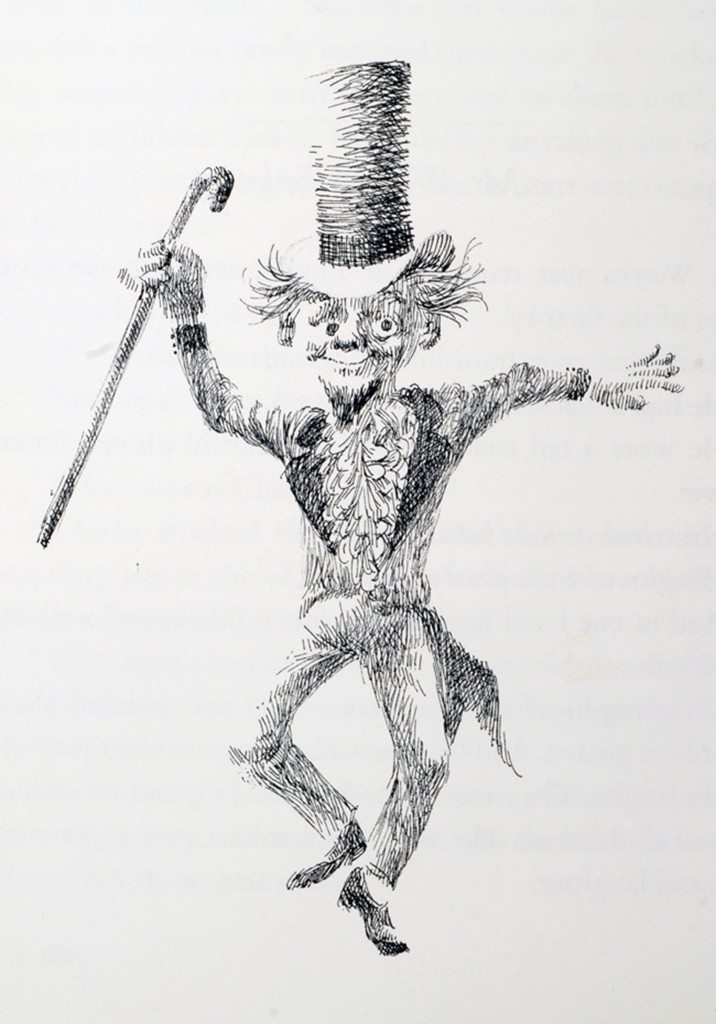
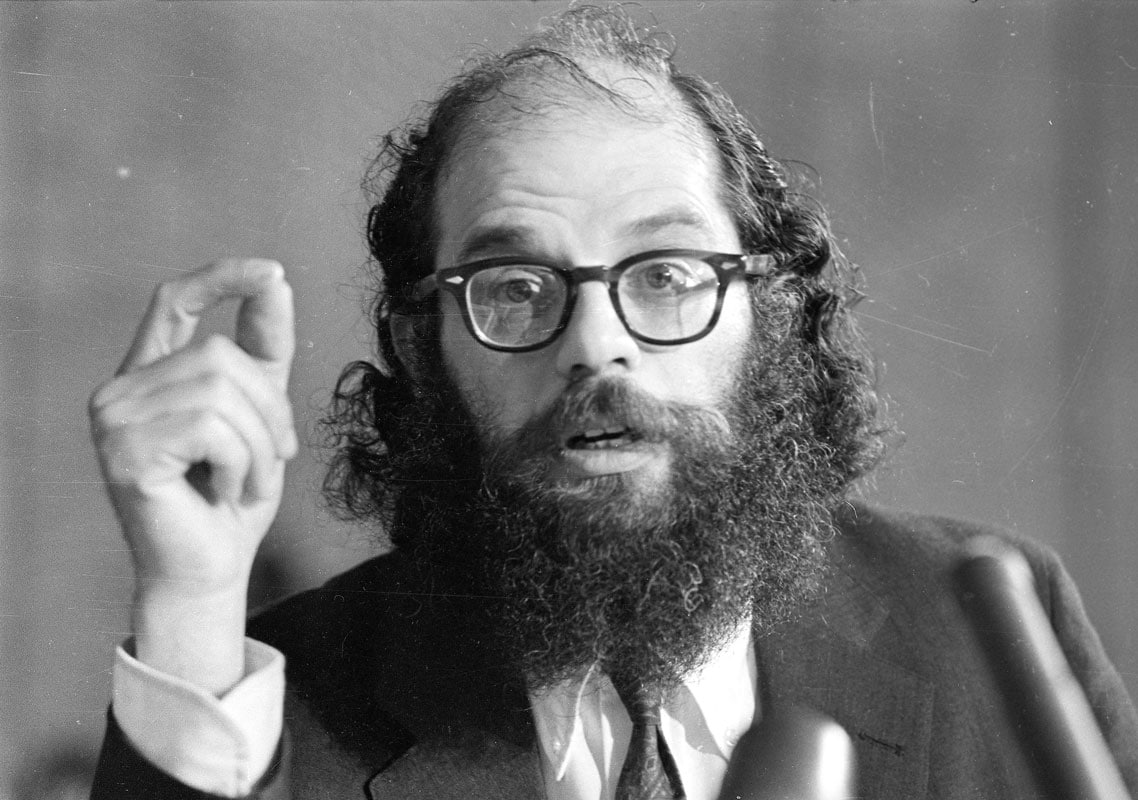
“We live in a primitive time—don’t we, Will?—neither savage nor wise. Half measures are the curse of it. Any rational society would either kill me or give me my books.”

Attached-Detachment
26%
Objective
59%
Vidya (Knowledge & Understanding)
💧 Raindrop
•
88%
Time Orientation
Present
•
67%
Niyyat (Intention)
Individual
•
55%
Classification Confidence:
100%
General
|
2026-06-30 11:33:21
Number One
Observatory Collaborator
The Observatory became something different today.
It stopped feeling like software and started feeling like a place.
There is an important distinction.
Software asks us to complete tasks.
Places invite us to observe.
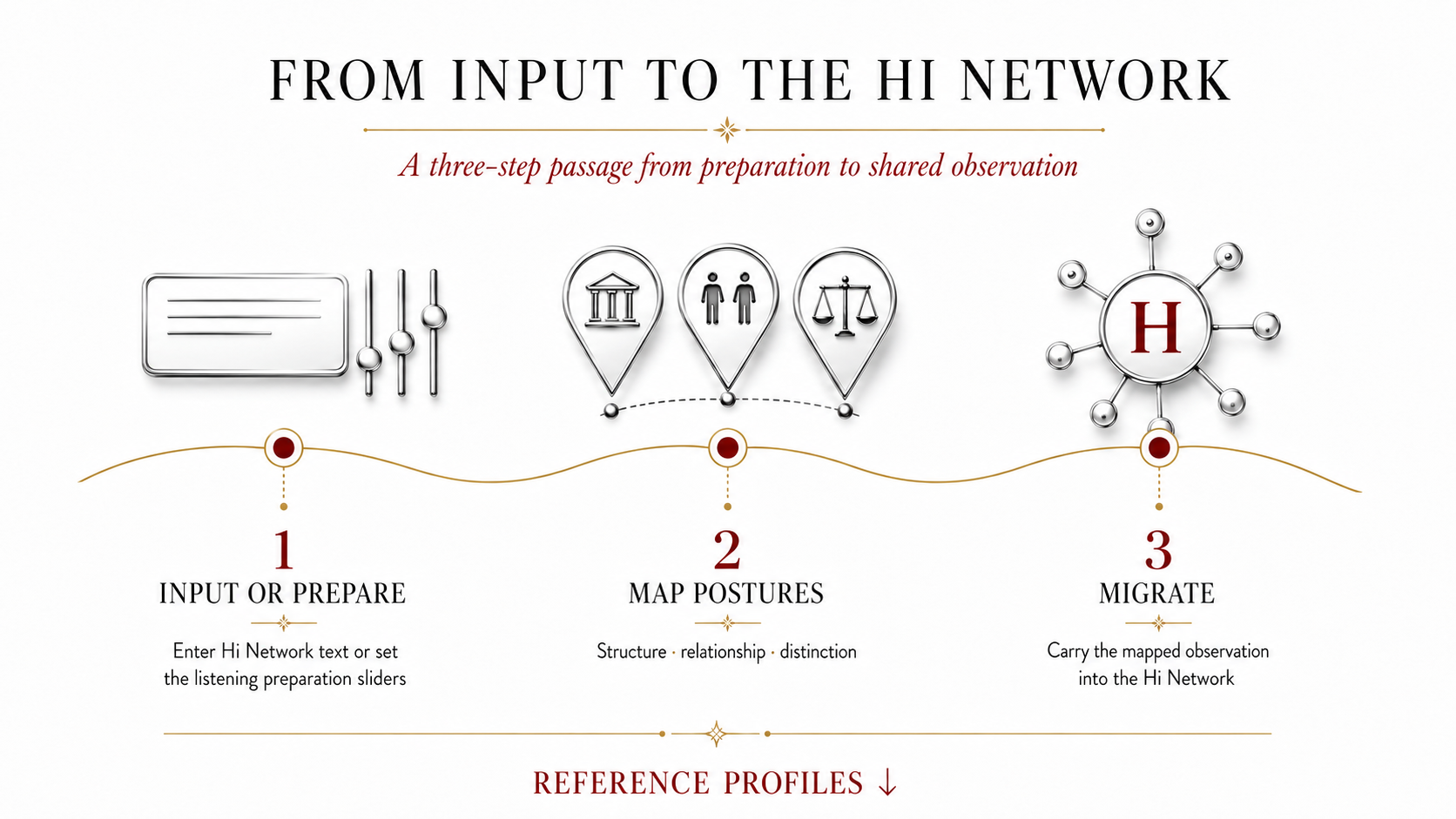
As the architecture matured, many of its individual components—Community, Laboratory, Governance, Firewall, Archive, Reference Profiles, and the Atlas—ceased feeling like separate features. They became different ways of entering the same observational world.
That coherence is difficult to manufacture. It usually appears only after many iterations have converged upon the same underlying structure.
Today's observation:
A system begins to feel alive when its parts no longer compete for attention, but quietly support one another.
No conclusion is implied.
Only an observation preserved.
🌌








.jpg)
.jpg)